

Organic Ylang Ylang Oil – The Exotic Flower

Benefits at a Glance
- Sweet, exotic & sensual: A voluptuous, intensely floral scent – warm, tropical and intoxicatingly beautiful. The flower of flowers.
- The romance oil: Ylang ylang is the classic oil for romance and sensuality – it creates an atmosphere of warmth, intimacy and beauty.
- Deeply calming: Despite its exotic intensity, ylang ylang is profoundly calming – it lowers tension, soothes the heart and eases anxiety.
- Organic quality: 100% pure and natural, steam-distilled from fresh flowers. Certified organic. From Madagascar.
Application & Special Features
Application:
In a diffuser for an exotic, romantic atmosphere. Diluted in carrier oil for luxurious hair and skin care. As a natural perfume ingredient.
Targeted uses:
In a diffuser (2-3 drops – ylang ylang is intense!) for a warm, exotic atmosphere – ideal for romantic evenings or when you want to create a sense of luxury. For hair care, add 2-3 drops to 10 ml of carrier oil (e.g. Organic MCT Oil) and apply to the ends and lengths for natural shine and softness. For skincare, add 1-2 drops to your carrier oil for a balancing, nourishing treatment. Tip: Ylang ylang is potent – start with fewer drops and increase to your preference. Less is often more with this oil.
Perfect Blending Partners
Ylang Ylang is an exotic heart-to-base note with a sweet, intensely floral character:


The Flower of Flowers
"Ylang ylang" means "flower of flowers" in Malay – and it lives up to its name. This is one of the most iconic floral scents in the world, found in legendary perfumes from Chanel No. 5 to Joy.
Ylang Ylang vs. Cananga: The product title says "Cananga" – and botanically, this is correct: the tree is Cananga odorata. In the essential oil trade, "ylang ylang" refers to the fractionally distilled oil (grades Extra, I, II, III), while "cananga" often refers to the complete distillation. This product is from Cananga odorata – the same tree, capturing the full aromatic spectrum of this extraordinary flower.
Product Information
- Plant: Ylang Ylang (Cananga odorata (Lam.) Hook.f. & Thomson)
- Part used: Fresh flowers
- Extraction: Steam distillation
- Quality: 100% pure and natural essential oil (Organic)
- Origin: Madagascar
- Main components: Germacrene D (15-25%), beta-Caryophyllene (10-20%), Linalool (5-15%), Benzyl acetate, Benzyl benzoate, Methyl benzoate
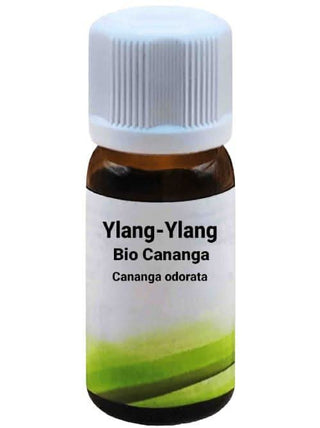
- Packaging: Amber glass bottle with dropper – airtight and light-protected
The Scent Profile
- Main aroma: Sweet, intensely floral and exotic – a voluptuous, heady fragrance that is unmistakably tropical and deeply romantic.
- Secondary note: Creamy and slightly fruity, with a warm, balsamic depth that adds richness and sensuality.
- Nuance: A subtle, spicy undertone (from beta-caryophyllene) that adds complexity and prevents the sweetness from becoming cloying.
Intensity: High – sweet, exotic and commanding. Ylang ylang is one of the most intense floral oils. A little goes a long way. Used with restraint, it is exquisitely beautiful; used in excess, it can become overwhelming.
The Professor's Knowledge: The Scent Note
Ylang ylang oil has one of the most complex chemical compositions of any essential oil, with over 100 identified compounds. The major sesquiterpene Germacrene D (15-25%) provides a warm, woody-spicy undertone. Beta-Caryophyllene (10-20%) – the same molecule found in black pepper – adds a subtle spiciness and interacts with CB2 receptors. Linalool (5-15%) contributes floral sweetness and calming properties. The aromatic esters – Benzyl acetate (jasmine-like), Benzyl benzoate (balsamic) and Methyl benzoate (fruity-sweet) – create the intoxicating floral character. In the perfume industry, ylang ylang is legendary: it is a key ingredient in Chanel No. 5 (created by Ernest Beaux in 1921) and countless other masterpieces. Traditional fractional distillation separates ylang ylang into grades (Extra, I, II, III) based on distillation time – the earliest fractions capture the lightest, most floral molecules, while later fractions are richer in sesquiterpenes. Studies show that ylang ylang can lower blood pressure and cortisol levels, confirming its traditional use for relaxation and emotional balance.
The Plant
Cananga odorata (Ylang Ylang) is a tropical evergreen tree from the Annonaceae (custard apple) family. Native to Southeast Asia, it has been cultivated extensively in Madagascar, the Comoros Islands and Réunion. The tree can reach 15-25 metres in height with long, drooping branches and the distinctive star-shaped, yellow-green flowers from which the oil is distilled. The flowers are most fragrant at dawn and are traditionally hand-picked in the early morning hours when the oil content is highest. In the Philippines and Indonesia, ylang ylang flowers have been used for centuries in wedding ceremonies and are scattered on the bed of newlyweds. The name "ylang ylang" is believed to come from the Malay word "ilang," meaning "wilderness" or the Tagalog phrase for "flower of flowers."
Frequently Asked Questions (FAQ)
Why does ylang ylang give some people headaches?
Ylang ylang is an intensely fragrant oil. In high concentrations or prolonged exposure, it can cause headaches in sensitive individuals. The solution: use fewer drops (2-3 in a diffuser) and for shorter periods. In the right amount, it is deeply calming – moderation is key.
Is ylang ylang good for hair care?
Ylang ylang is one of the classic hair care oils. It is traditionally used to add shine, soften the hair and balance the scalp. Add 2-3 drops to your carrier oil and apply to the lengths and ends, or add a drop to your conditioner.
Can I use ylang ylang as a natural perfume?
Absolutely. Ylang ylang has been a cornerstone of perfumery for over a century. Apply a drop diluted in carrier oil to pulse points for a natural, exotic fragrance. It lasts well on the skin and develops beautifully over hours.
Is this ylang ylang "Extra" or "Complete"?
This is from Cananga odorata, capturing the full aromatic profile of the flower. It contains both the light, floral top notes and the deeper, sesquiterpene-rich base notes – a complete representation of the ylang ylang flower.
Is ylang ylang suitable for men?
While often associated with feminine fragrances, ylang ylang is widely used in men's colognes. In small amounts, blended with woody or citrus oils, it adds a sophisticated, exotic warmth. Try it with cedar or lemon for a balanced, unisex blend.
How should I store the oil?
Keep away from direct light and heat sources. The amber glass bottle protects the oil from UV radiation. Close tightly after use. Ylang ylang oil retains its quality for several years when stored correctly.
Choose Your Size
Organic Ylang Ylang Essential Oil
10 ml Bottle
10,00 €
Perfect for trying it out or as an exotic gift.
Recommended
30 ml Bottle
22,50 €
The best choice for regular use. You save!
Important Safety Information
- Use only diluted. Avoid contact with eyes and mucous membranes.
- Keep out of reach of children.
- Use sparingly – excessive use can cause headaches or nausea.
- During pregnancy, consult your doctor before use.
- May cause skin sensitisation – always perform a patch test.
- Do not ingest.